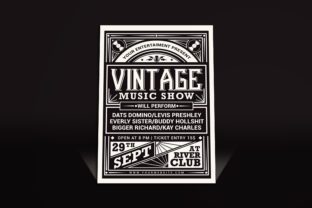
Vintage Music Show – A Comprehensive Guide to Design Specifications and Workflow
The Vintage Music Show has become a staple for music enthusiasts who appreciate the nostalgia of classic tunes and the visual appeal of retro design. Whether you're creating promotional materials, event posters, or digital assets, having the right design specifications is crucial. This article explores the key elements of designing for the Vintage Music Show, focusing on Adobe Photoshop files created with CS 5, and how they can be tailored for print and digital use.
Understanding the Design Requirements
Designing for the Vintage Music Show involves more than just aesthetics—it requires attention to detail and adherence to specific technical standards. One of the most important aspects is the file format. Adobe Photoshop (CS 5) offers a robust platform for creating high-quality graphics, but it's essential to ensure that your design meets the necessary specifications to guarantee optimal print results.
The recommended dimensions for the Vintage Music Show are 8.27 inches by 11.69 inches. These measurements are ideal for standard print sizes such as letter or tabloid formats. When working with these dimensions, it's important to consider bleeds—extra space around the edges of the design that ensures no white borders appear when the final product is cut. Including bleeds in your design helps maintain a seamless appearance across the entire layout.
Resolution and Color Mode
High-resolution images are a must when preparing designs for print. The Vintage Music Show recommends a resolution of 300 dpi (dots per inch), which ensures crisp, clear output without any pixelation or blurriness. Lower resolutions may result in poor print quality, especially when enlarging images or text.
Color mode is another critical factor. All designs should be created in CMYK (Cyan, Magenta, Yellow, Black) color mode rather than RGB. CMYK is the standard for print, and using it ensures that the colors you see on screen will match the final printed piece. If you're working with digital assets, it's still wise to convert them to CMYK before sending them to print.
Editable Fonts and Text Layers
Typography plays a significant role in the overall look and feel of the Vintage Music Show. Using editable fonts allows for greater flexibility when making changes to the design. All text layers should be kept separate from background elements, ensuring that you can easily modify or replace fonts without affecting other parts of the design.
For the Vintage Music Show, it's recommended to use free, editable fonts that are compatible with Adobe Photoshop. This not only saves costs but also ensures that your design remains flexible for future edits. Some popular choices include fonts like "Bauhaus 93," "Fredoka One," and "Playfair Display." These fonts are widely used in vintage and retro designs and can enhance the aesthetic of your project.
When choosing fonts, consider their readability and visual impact. Avoid overly decorative fonts unless they are specifically suited to the design's purpose. For example, a bold, serif font might be ideal for headlines, while a simpler sans-serif font could work well for body text.
Layer Organization and File Structure
Organizing your layers effectively is essential for both efficiency and professionalism. A well-structured Photoshop file makes it easier to navigate, edit, and share your design. For the Vintage Music Show, it's recommended to group related elements together, such as text, backgrounds, and graphics.
Each layer should have a clear and descriptive name, allowing you to quickly locate and modify specific elements. For instance, you might create groups labeled "Background," "Text," "Graphics," and "Bleeds." This organization not only streamlines your workflow but also makes it easier for others to understand and work with your design.
Additionally, including a readme file with your design is highly encouraged. This file should list all the fonts used, any special instructions, and information about the file structure. It serves as a valuable reference for anyone who needs to make changes or adjustments later on.
Practical Benefits and Considerations
Using the specified design parameters for the Vintage Music Show offers several practical benefits. First, it ensures that your design is optimized for print, reducing the risk of errors or inconsistencies. Second, it allows for greater customization, as editable fonts and organized layers give you full control over every element of the design.
From a workflow perspective, following these specifications can significantly improve productivity. By adhering to standard practices, you minimize the need for rework and streamline the process of preparing your design for print. This is particularly beneficial for designers who frequently work on similar projects or collaborate with clients who require consistent formatting.
Moreover, the ability to easily change colors is an important consideration for the Vintage Music Show. Many clients may want to adjust the color scheme to match their brand or event theme. Having a design that allows for quick and easy color changes ensures that your work remains adaptable and versatile.
Real-World Applications and Scenarios
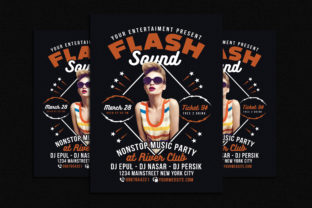
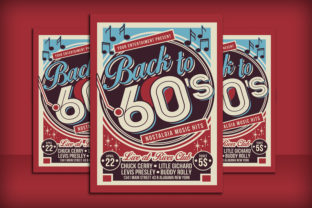
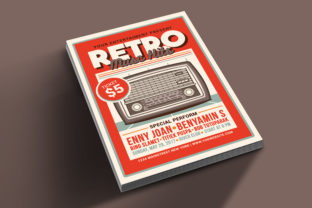
The Vintage Music Show design specifications are applicable to a wide range of projects, from event flyers and posters to album covers and promotional materials. For example, if you're creating a flyer for a retro music festival, the specified dimensions and resolution ensure that your design looks professional and high-quality when printed.
Another common use case is the creation of digital assets for online platforms. While the primary focus is on print, many designers also prepare versions for web use. In such cases, it's important to note that the same design principles apply, with some adjustments made for screen resolution and color mode.
Whether you're working on a small-scale project or a large event, following these specifications ensures that your design meets the highest standards of quality and professionalism. It also provides a solid foundation for future modifications and updates, making your work more efficient and cost-effective in the long run.
In conclusion, understanding and implementing the design specifications for the Vintage Music Show is essential for producing high-quality, professional results. By adhering to the recommended dimensions, resolution, color mode, and file organization, you can create visually appealing and functional designs that meet the needs of your audience and clients.