Summer Camp Flyer Design: A Comprehensive Guide
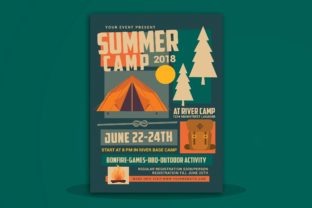
Creating an effective Summer Camp Flyer requires more than just a catchy headline and a few images. It's about crafting a visual and informational experience that grabs attention, communicates key details clearly, and encourages action. In this article, we explore the essential elements of designing a Summer Camp Flyer with a focus on practicality, aesthetics, and print readiness.
The Importance of a Well-Designed Summer Camp Flyer
A Summer Camp Flyer serves as the first point of contact between your camp and potential participants. It needs to be visually appealing, informative, and easy to read. The design should reflect the energy and excitement of summer while also conveying the unique aspects of your camp—whether it's adventure, learning, or fun.
Designing for print is crucial when creating a flyer that will be distributed in physical form. This means considering factors like resolution, color mode, and layout to ensure the final product looks professional and stands out in a busy environment.
Key Specifications for a Professional Summer Camp Flyer
When working on a Summer Camp Flyer, it's important to start with the right specifications. Here are some key considerations:
- Dimensions: 8.27 x 11.69 inches with bleeds ensures the flyer is suitable for standard printing sizes and allows for full coverage without white borders.
- Resolution: A minimum of 300 dpi is required for high-quality print output. Lower resolutions can lead to pixelation and poor image quality.
- Color Mode: Using CMYK (Cyan, Magenta, Yellow, Key/Black) is ideal for print. RGB colors may not translate accurately to printed materials.
- Editable Fonts: All text should be in editable fonts such as Font Free to allow for easy customization and updates.
- Organization: A well-structured layer system makes it easier to edit and manage different elements of the design, especially when working with multiple designers or collaborators.
Choosing the Right PSD File for Your Summer Camp Flyer
When selecting a PSD file for your Summer Camp Flyer, look for one that is both functional and user-friendly. A good design file should include all necessary layers, grouped by sections, making it easy to navigate and modify.
It's also important to check if the PSD file includes a readme file that lists the fonts used. This helps in maintaining consistency and ensures that any changes to the design can be made without issues related to missing or unsupported fonts.
Designing for Print: Tips and Best Practices
Designing for print involves more than just creating a visually appealing layout. Here are some best practices to keep in mind:
- Use Bleeds: Ensure that all elements extend beyond the trim area to avoid white edges after printing.
- Text Readability: Choose fonts that are easy to read at small sizes. Avoid overly decorative fonts unless they're specifically designed for print.
- Image Quality: Use high-resolution images that are optimized for print. Avoid low-quality or compressed images that can affect the overall appearance of the flyer.
- Color Consistency: Test your design in CMYK mode to ensure that colors appear as intended when printed. Some colors may shift slightly when converted from RGB to CMYK.
- Proofreading: Always double-check for spelling errors and formatting issues before sending the design to print.
Customizing Your Summer Camp Flyer for Different Campaigns
One of the greatest advantages of using a well-organized PSD file is the ability to customize the design for different campaigns or seasons. Whether you're promoting a summer camp, a fall retreat, or a holiday event, the same base design can be adapted with minimal effort.
By keeping text elements, color schemes, and layout structures flexible, you can quickly update your Summer Camp Flyer to match new branding guidelines or seasonal themes. This adaptability saves time and resources while ensuring a consistent brand presence across all promotional materials.
Real-World Applications of a Summer Camp Flyer
A Summer Camp Flyer isn't just a piece of paper—it's a marketing tool that plays a vital role in attracting participants. From local community centers to online platforms, the flyer serves as a tangible reminder of the camp's offerings and benefits.
In schools and youth organizations, the flyer often acts as a primary communication channel. Parents and students rely on these materials to make informed decisions about participation. A well-designed flyer can significantly increase enrollment rates and create a positive first impression of the camp.
Common Considerations Before Finalizing Your Design
Before finalizing your Summer Camp Flyer design, consider the following factors:
- Target Audience: Understand who your flyer is meant for. Are you targeting children, parents, or both? Adjust the tone, language, and visuals accordingly.
- Call to Action: Make sure the flyer includes clear instructions on how to register, where to find more information, or what dates to mark on the calendar.
- Brand Alignment: Ensure that the design aligns with your organization's brand identity, including logos, color schemes, and typography.
- Cost-Effectiveness: Choose a design that balances quality with cost. High-end designs aren't always necessary if the message is clear and the layout is functional.
Conclusion
Designing a Summer Camp Flyer is a blend of creativity, functionality, and precision. By adhering to professional specifications, using editable fonts, and organizing layers effectively, you can create a flyer that not only looks great but also performs well in real-world scenarios. Whether you're printing hundreds of copies or sharing digital versions, a well-crafted flyer can make all the difference in capturing the attention of your audience and encouraging them to take part in your summer camp experience.