Designing a Retro Music Hits Flyer: A Comprehensive Guide
In today's fast-paced digital world, the allure of retro music hits continues to captivate audiences. Whether you're organizing a themed event, promoting a vintage music night, or creating promotional material for a retro-themed business, a well-designed flyer can make all the difference. This article explores how to create an effective Retro Music Hits Flyer using professional design tools and best practices, ensuring your flyer is both visually appealing and ready for print.
What Is a Retro Music Hits Flyer?
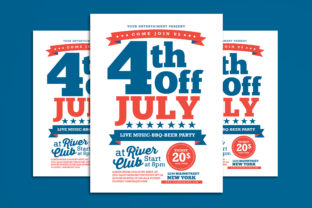
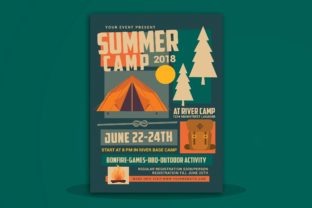
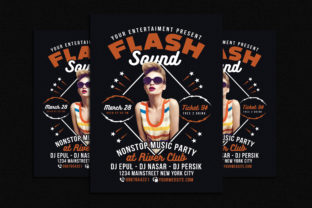
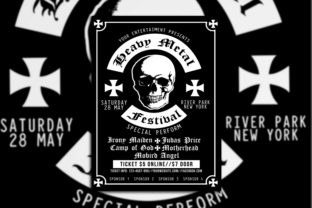
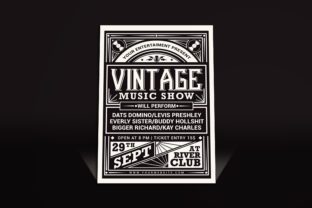
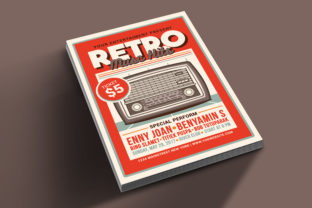
A Retro Music Hits Flyer is a promotional piece designed to advertise events, concerts, or music-related activities with a nostalgic, vintage aesthetic. It typically features classic music genres such as rock 'n' roll, disco, soul, and funk, along with iconic album covers, vintage typography, and retro color schemes. These flyers are not just about advertising—they’re also about evoking memories and connecting with a generation that grew up with these sounds.
The Purpose of a Retro Music Hits Flyer
The primary purpose of a Retro Music Hits Flyer is to attract attention and inform potential attendees about an event. However, it also serves as a visual representation of the event’s theme and tone. A well-designed flyer can:
- Attract the right audience through visual appeal
- Convey the event’s vibe and genre
- Encourage engagement and ticket sales
- Create a memorable brand experience
Choosing the Right Design Tools
To create a high-quality Retro Music Hits Flyer, you'll need a reliable design tool that supports vector graphics, text editing, and print-ready output. Adobe Photoshop CS5 is a popular choice due to its robust features and compatibility with various file formats. However, other options like Canva, Adobe Illustrator, or even free tools like GIMP can be used depending on your needs and budget.
Key Specifications for a Professional Flyer
When designing a Retro Music Hits Flyer, it's essential to adhere to industry-standard specifications to ensure it prints correctly and looks sharp. Here are the key requirements:
- Psd Files CS 5: Ensure your design is compatible with Adobe Photoshop CS5, which is widely used in the design community. This allows for easy editing and layer management.
- Dimensions: 8.27 x 11.69 inches: This size is standard for letter-sized paper, making it ideal for printing and distribution.
- Bleeds: Include bleed areas (typically 0.125 inches on all sides) to ensure the design extends to the edge of the printed page without any white borders.
- Resolution: 300 dpi: High-resolution images and text are necessary for crisp, clear prints. Lower resolutions may result in blurry or pixelated visuals.
- CMYK Color Mode: Use CMYK (Cyan, Magenta, Yellow, Black) instead of RGB for print-ready designs. This ensures accurate color reproduction on physical media.
- Editable Fonts: Choose fonts that are freely available and easily editable. Avoid using proprietary or embedded fonts that may not be accessible on other devices.
- Color Customization: Design your flyer with a flexible color palette so you can easily change colors to match branding or event themes.
- Organized Layers: Keep your design layers well-organized for easy editing. This includes separating text, images, backgrounds, and effects into distinct groups.
- Readme File: Provide a readme file that lists the fonts used and any additional instructions for editing or customizing the design.
Designing Your Retro Music Hits Flyer
Creating a Retro Music Hits Flyer involves several steps, from conceptualizing the design to finalizing the layout. Here's a breakdown of the process:
Step 1: Conceptualize the Theme
Before diving into the design, define the event's theme and target audience. For example, if it's a 70s rock night, incorporate elements like vinyl records, retro typography, and bold color schemes. If it's a disco party, use neon lights, glitter effects, and vibrant hues.
Step 2: Choose a Layout
Your flyer should have a clean, readable layout with the following sections:
- Title: A large, eye-catching headline that grabs attention.
- Event Details: Date, time, location, and ticket information.
- Visual Elements: Album covers, band logos, or retro illustrations.
- Call to Action: Encourage attendance with phrases like "Don’t Miss Out!" or "Get Your Tickets Now."
- Contact Information: Website, social media links, or email addresses.
Step 3: Select Fonts and Colors
Typography plays a crucial role in the overall look and feel of your flyer. Opt for fonts that evoke nostalgia, such as:
- Rockwell: A bold, sans-serif font often used in retro posters.
- Times New Roman: A classic serif font that adds sophistication.
- Comic Sans MS: A playful, informal font perfect for casual events.
Pair these fonts with a color palette that reflects the era. For instance, use reds, oranges, and yellows for a 70s vibe, or blues and purples for a 90s feel.
Step 4: Add Visual Elements
Incorporate relevant imagery to enhance the retro theme. This could include:
- Classic album covers
- Vintage record players or jukeboxes
- Black-and-white photos of musicians or fans
- Glitter effects or halftone patterns
Ensure these elements are high-resolution and properly scaled to avoid distortion.
Step 5: Finalize and Export
Once your design is complete, review it for clarity, readability, and visual balance. Make sure all text is legible at a distance and that the layout is aesthetically pleasing. Finally, export your design as a high-quality PDF or print-ready PSD file, ensuring it meets all the specified requirements.
Why a Retro Music Hits Flyer Matters in Modern Context
While digital marketing dominates today’s landscape, there’s still a strong demand for physical promotional materials, especially for niche events and local communities. A well-designed Retro Music Hits Flyer can serve as a tangible reminder of a shared cultural experience, bridging the gap between past and present.
Moreover, in an age where everything is digital, a printed flyer can stand out and create a more personal connection with the audience. It offers a tactile experience that digital ads cannot replicate, making it a valuable tool for both small businesses and large organizations looking to engage their community.
Common Misconceptions About Retro Design
One common misconception is that retro design is outdated or irrelevant. In reality, retro aesthetics continue to thrive in fashion, music, and design. By incorporating retro elements into your flyer, you're not just paying homage to the past—you're tapping into a timeless trend that resonates with many people.
Another misunderstanding is that retro design requires complex techniques. In truth, many retro styles can be achieved with simple tools and techniques, making them accessible to designers of all skill levels.
Conclusion
Designing a Retro Music Hits Flyer is more than just creating a promotional piece—it's about capturing the essence of a bygone era while engaging a modern audience. With the right tools, specifications, and design principles, you can create a flyer that not only informs but also inspires.
Whether you're organizing a concert, launching a music label, or promoting a vintage-themed event, a well-crafted Retro Music Hits Flyer can make all the difference. By following this guide, you’ll be equipped to create a flyer that stands out, communicates effectively, and leaves a lasting impression.