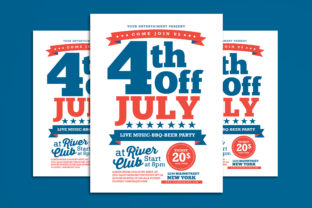
Designing a 4th of July Flyer: A Comprehensive Guide to Professional Print Materials
The 4th of July is one of the most celebrated holidays in the United States, symbolizing freedom, unity, and national pride. As such, it's a time when businesses, organizations, and communities come together to commemorate this historic day with events, parades, fireworks, and promotional materials. One of the most effective tools for engaging audiences during this period is the 4th of July flyer. Designed to capture attention and convey essential information, these flyers serve as a bridge between an organization and its audience, making them an indispensable part of any summer marketing strategy.
The Role of a 4th of July Flyer in Marketing
A 4th of July flyer is more than just a piece of paper—it's a strategic communication tool. Whether you're promoting a local parade, a community barbecue, or a business event, the flyer plays a crucial role in informing and enticing potential attendees. Its primary function is to deliver key details—such as date, time, location, and event highlights—in a visually appealing and easily digestible format.
In today's fast-paced world, where digital communication dominates, printed materials like the 4th of July flyer still hold significant value. They offer a tangible connection to the audience, especially in areas where internet access may be limited or where people prefer physical media. Additionally, they can be distributed at various touchpoints, including community centers, schools, public spaces, and even through door-to-door outreach, ensuring maximum visibility.
Key Specifications for a Professional 4th of July Flyer
To ensure that your 4th of July flyer is both effective and professional, it's important to adhere to specific design and technical specifications. These include:
- File Format: The flyer should be created using Photoshop CS 5 (Psd Files), which allows for detailed layer management and easy editing.
- Dimensions: The flyer should be sized at 8.27x11.69 inches, which is ideal for standard printing and ensures that the content fits neatly within the printable area.
- Bleeds: Including bleeds in the design ensures that the edges of the flyer are fully printed without any white space, providing a clean and polished appearance.
- Resolution: A resolution of 300 dpi is required for high-quality print output, ensuring that all graphics and text appear sharp and clear.
- Color Mode: The flyer should be designed in CMYK color mode, which is the standard for print production and helps avoid unexpected color shifts.
- Editable Fonts: All text elements should use free, editable fonts so that the flyer can be easily customized for different events or campaigns.
- Color Flexibility: The design should allow for easy changes in color schemes, enabling the flyer to align with branding guidelines or seasonal themes.
- Layer Organization: The file structure should be well-organized, with clearly labeled layers for each design element. This makes it easier to edit and maintain the flyer over time.
- Readme File: A readme file should accompany the Psd Files, listing all the fonts used and providing instructions for editing and customizing the design.
By following these specifications, you can create a flyer that not only meets industry standards but also enhances the overall impact of your 4th of July event promotion.
Designing for Maximum Impact
When designing a 4th of July flyer, the goal is to create a visual experience that resonates with the theme of the holiday while also conveying essential information. Here are some key considerations for achieving this balance:
Visual Elements That Reflect the Theme
The 4th of July is synonymous with red, white, and blue, so incorporating these colors into the flyer's design is a natural choice. However, it's important to use them thoughtfully to avoid overwhelming the viewer. For example, red can be used as an accent color to highlight important details, while white provides a clean background that enhances readability.
Images and graphics should also reflect the spirit of the holiday. Consider including visuals such as fireworks, patriotic flags, or American landmarks. These elements not only reinforce the theme but also help to create an emotional connection with the audience.
Typography and Readability
Choosing the right font is critical to the success of your flyer. While free, editable fonts are recommended, it's important to select ones that are both legible and visually appealing. Sans-serif fonts, such as Arial or Helvetica, are often preferred for their clarity and modern look, especially when used for headlines and body text.
Ensure that the text is large enough to be read from a distance, and that there is sufficient contrast between the text and the background. This will make the flyer more accessible to a wider audience, including those with visual impairments.
Layout and Information Hierarchy
A well-organized layout is essential for guiding the viewer's eye through the flyer and highlighting the most important information. Use headings, subheadings, and bullet points to break up text and make it easier to scan.
Place the event name and date at the top of the flyer, followed by the location and time. Additional details, such as event highlights, sponsor information, and contact details, should be presented in a logical order. Avoid cluttering the design with too much information; instead, focus on delivering the essentials in a clear and concise manner.
Use Cases and Practical Applications
The versatility of a 4th of July flyer makes it suitable for a wide range of applications. Here are some common use cases:
Community Events
Local governments, schools, and community organizations often use 4th of July flyers to promote parades, block parties, and fireworks displays. These flyers are typically distributed in neighborhoods and public spaces to ensure broad reach.
Business Promotions
Local businesses can leverage 4th of July flyers to attract customers. For example, restaurants might use the flyer to promote special menu items, while retail stores could highlight summer sales or promotions. These flyers can be placed near entrances, windows, or even handed out to passersby.
Nonprofit Campaigns
Nonprofits and charities often use 4th of July flyers to raise awareness about their causes or to solicit donations. By tying their mission to the spirit of the holiday, they can create a more compelling message that resonates with the audience.
Educational Institutions
Schools and universities may use 4th of July flyers to promote cultural events, historical lectures, or student-led activities. These flyers can be distributed to students, faculty, and visitors to encourage participation and engagement.
Considerations for Success
While the design and content of the 4th of July flyer are crucial, there are also several other factors that can influence its effectiveness:
- Target Audience: Understanding who your audience is will help you tailor the design and messaging to their preferences and needs.
- Distribution Strategy: Plan how and where you will distribute the flyer to maximize exposure. Consider partnering with local businesses, community centers, and schools to reach a wider audience.
- Timing: Ensure that the flyer is distributed in advance of the event to give attendees ample time to plan their participation.
- Follow-Up: After distributing the flyer, consider using social media, email newsletters, or other digital channels to reinforce the message and encourage attendance.
By carefully considering these factors, you can create a 4th of July flyer that not only looks great but also achieves its intended purpose effectively.