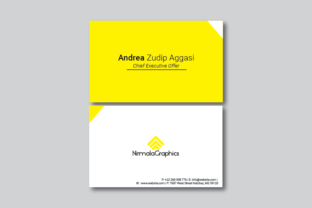
Yellow Business Card Template: A Practical Guide to Choosing and Using It Effectively
When it comes to creating a professional and eye-catching business card, the Yellow Business Card Template can be a great starting point. Whether you're an entrepreneur, freelancer, or small business owner, having a well-designed card is essential for making a strong first impression. However, simply choosing a template isn’t enough—there are several key considerations that can make or break your final result.
Why the Yellow Business Card Template Is Popular
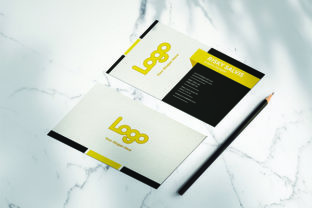
The Yellow Business Card Template has gained popularity due to its vibrant color and clean layout. Yellow is a bold and attention-grabbing color that can help your card stand out in a crowd. It's particularly effective for industries like marketing, design, and creative fields where visibility is crucial.
Additionally, the template often includes customizable elements such as text boxes, logo placeholders, and contact information areas. This makes it easy for users to personalize their cards without needing advanced design skills. For beginners or those on a tight budget, this can be a game-changer.
Common Mistakes When Using the Yellow Business Card Template
Despite its benefits, many users make mistakes when working with the Yellow Business Card Template. These errors can lead to poor print quality, miscommunication, or even wasted time and money.
- Ignoring Print Specifications: One of the most common mistakes is not adhering to the required print specifications. The Yellow Business Card Template is designed for 9cm x 5.5cm size with a 0.25cm bleed. Failing to follow these guidelines can result in white edges or misaligned elements after printing.
- Using the Wrong Color Mode: The template is created in CMYK color mode, which is ideal for print. Using RGB instead can lead to unexpected color shifts when the card is printed, potentially affecting the overall appearance and professionalism.
- Not Checking Font Compatibility: While the Yellow Business Card Template uses the free Roboto font, some users may replace it with other fonts without verifying if they’re available in CMYK. This can cause issues during the print process, leading to missing text or formatting problems.
- Overlooking File Format Requirements: The template is provided as an Adobe Illustrator file (AI), which is suitable for high-quality printing at 300 DPI. However, some users might export it as a different format, such as PNG or JPEG, which can reduce resolution and impact print quality.
How These Mistakes Affect Your Results
Mistakes like these can have a significant impact on the final outcome of your business card. Poorly printed cards can reflect poorly on your brand, especially if they look unprofessional or lack clarity. Inaccurate colors or missing text can also confuse potential clients or customers, reducing the effectiveness of your card as a marketing tool.
Moreover, using the wrong file format or color mode can lead to delays in production or additional costs if you need to redo the design. This not only wastes time but can also affect your overall satisfaction with the final product.
Practical Tips to Avoid Common Pitfalls
To ensure your Yellow Business Card Template looks great when printed, follow these practical tips:
- Review Print Specifications Carefully: Always double-check the dimensions, bleed area, and resolution requirements before exporting your design. Make sure your content extends into the bleed area to avoid unwanted white borders.
- Use CMYK Color Mode: Ensure all colors are converted to CMYK before sending the file to print. This will help maintain consistency and accuracy in the final print.
- Stick to Recommended Fonts: If you're using the Roboto font, verify that it’s properly embedded in your AI file. If you want to use another font, make sure it’s available in CMYK and test it thoroughly.
- Export in the Correct Format: Save your design as an AI file for high-quality printing. Avoid converting it to raster formats unless absolutely necessary, as this can degrade image quality.
- Proofread Before Printing: Always review your design for typos, alignment issues, and visual balance. A well-organized and error-free card reflects professionalism and attention to detail.
What to Check Before Finalizing Your Design
Before you finalize your Yellow Business Card Template, take a moment to evaluate the following:
- Does the design align with your brand identity? The color, typography, and layout should reflect your company’s values and style.
- Is the information clear and concise? Your name, title, contact details, and website should be easy to read at a glance.
- Have you tested the design on different backgrounds? Ensure your card remains legible against various surfaces and lighting conditions.
- Are there any unnecessary elements? Keep the design simple and focused to avoid clutter and confusion.
- Have you confirmed the file settings? Double-check that your AI file is set to 300 DPI, CMYK, and the correct dimensions.
Conclusion
The Yellow Business Card Template offers a great foundation for creating a visually appealing and professional-looking business card. However, success depends on how carefully you approach the design and preparation process. By avoiding common mistakes and following best practices, you can ensure your card makes a lasting impression and effectively represents your brand.