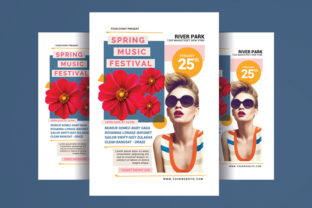
Spring Music Festival: A Creative Opportunity for Designers and Print Professionals
The Spring Music Festival is more than just a celebration of music—it's a vibrant cultural event that brings together artists, performers, and audiences from around the world. For design professionals, this festival represents an opportunity to create visually compelling materials that reflect the energy and creativity of the event. Whether it's promotional posters, digital banners, or printed programs, the visual elements play a crucial role in capturing the essence of the Spring Music Festival.
Designing for Impact: Key Considerations
When designing materials for events like the Spring Music Festival, it's essential to consider both aesthetic appeal and functional purpose. The right design can enhance the overall experience, attract attention, and communicate the event’s message effectively. One of the most important aspects of any design project is the use of high-quality assets that are ready for print and digital use.
For instance, when creating promotional materials for the Spring Music Festival, designers often rely on vector-based graphics and editable text to ensure flexibility and scalability. This allows for easy adjustments without compromising quality. Additionally, using font-free text ensures that the design remains consistent across different platforms and devices.
Specs That Matter: Ensuring Professional Quality
Every design project comes with specific technical requirements, and the Spring Music Festival is no exception. Understanding these specifications is crucial to delivering a professional and polished result. Here are some key specifications that should be considered:
- File Format: PSD files are preferred as they allow for layered editing, making it easier to modify elements such as text, colors, and images.
- Dimensions: The standard size for printed materials is 8.27x11.69 inches with bleeds. This ensures that the design extends beyond the trim edge, preventing any unwanted white space when printed.
- Resolution: A resolution of 300 dpi is necessary for high-quality print output. Lower resolutions may result in pixelation and loss of detail.
- Color Mode: Designs should be created in CMYK color mode to ensure accurate color reproduction when printed. RGB is suitable for digital use but not recommended for print.
- Fonts: All text should be editable and use free fonts to avoid licensing issues. This also makes it easier to update the design if needed.
- Layer Organization: Well-organized layers make the design process more efficient and help maintain clarity during revisions.
- Readme File: Including a readme file with information about fonts used and other design notes is helpful for future reference and collaboration.
By adhering to these specifications, designers can ensure that their work meets the highest standards of quality and professionalism. This is especially important for events like the Spring Music Festival, where the visual identity plays a significant role in attracting attendees and conveying the event's spirit.
Practical Applications: From Concept to Print
The Spring Music Festival offers a wide range of design opportunities, from large-scale banners and posters to smaller items like badges, programs, and signage. Each of these requires a tailored approach to ensure the final product aligns with the event’s goals and audience expectations.
For example, a large banner promoting the Spring Music Festival might require bold typography and high-impact visuals to grab attention from a distance. In contrast, a program booklet would need a clean, organized layout with clear sections for schedules, artist bios, and venue information. Regardless of the medium, the design must remain consistent with the overall branding of the festival.
One of the advantages of working with PSD files is the ability to easily adjust colors and elements. This is particularly useful for events like the Spring Music Festival, where seasonal themes and color schemes may change from year to year. By keeping the design modular and well-organized, designers can quickly adapt the layout to fit new branding guidelines or creative directions.
Real-World Examples: How Design Shapes the Experience
Consider the case of a designer tasked with creating promotional materials for the Spring Music Festival. They start by researching the event’s theme, target audience, and previous design elements to maintain continuity. Using the specified dimensions and resolution, they create a mockup that includes the festival logo, event dates, and key highlights.
The design incorporates free fonts that are both modern and readable, ensuring that the text stands out against the background. The use of bleed areas helps prevent any unintended white space when the material is printed. Additionally, the layered structure of the PSD file allows for easy modifications, such as changing the color scheme or adjusting the placement of elements.
Once the design is finalized, it is exported in the appropriate format for print and digital use. The inclusion of a readme file ensures that all team members understand the font choices and any other design considerations. This level of organization and attention to detail contributes to the success of the Spring Music Festival’s visual identity.
Why These Specifications Are Essential for Print Success
Working within the specified parameters is not just a best practice—it’s a necessity for achieving professional results. The combination of high-resolution images, proper color modes, and well-structured layers ensures that the final product is both visually appealing and technically sound.
For instance, using a resolution of 300 dpi guarantees that the printed materials will look sharp and detailed, even when viewed up close. This is particularly important for event posters and banners, which are often displayed in public spaces where visibility is key. Similarly, the use of CMYK color mode ensures that the printed colors match the intended design, avoiding any unexpected shifts in hue or saturation.
The inclusion of bleed areas is another critical consideration. When designing for print, it’s common for the final trimmed size to be slightly smaller than the original artwork. By extending the design into the bleed area, designers eliminate the risk of having visible white edges after trimming. This attention to detail enhances the overall quality of the printed materials and reflects positively on the event itself.
Collaboration and Flexibility: The Benefits of Editable Design
One of the greatest advantages of using editable fonts and well-organized layers is the flexibility it provides for collaboration and revisions. In a project as dynamic as the Spring Music Festival, changes are often necessary due to last-minute updates, new branding guidelines, or feedback from stakeholders.
With a PSD file, multiple team members can work on different elements simultaneously without affecting the integrity of the design. For example, one designer might focus on the layout and typography, while another handles the visual elements and color scheme. The ability to isolate and adjust individual layers ensures that each contributor can work efficiently without disrupting the overall composition.
Additionally, the use of free fonts eliminates the need for licensing agreements, which can be a significant cost-saving measure. This makes it easier for small businesses, independent creators, and educational institutions to produce high-quality materials without worrying about legal restrictions.
Conclusion: Elevating the Spring Music Festival Through Design
The Spring Music Festival is a testament to the power of creativity and collaboration. Behind every successful event lies a team of designers, marketers, and organizers who work tirelessly to bring the vision to life. By following the specified design parameters and focusing on practical, user-friendly solutions, designers can contribute to the festival’s success in meaningful ways.
Whether you're a seasoned professional or a hobbyist looking to expand your skills, the Spring Music Festival offers an excellent opportunity to apply your design expertise in a real-world setting. With the right tools, knowledge, and attention to detail, you can create materials that not only meet the event’s needs but also leave a lasting impression on its audience.